Work & SkillsEntry PF-914181 · Page 06 · Stamped OCT 16, 2026
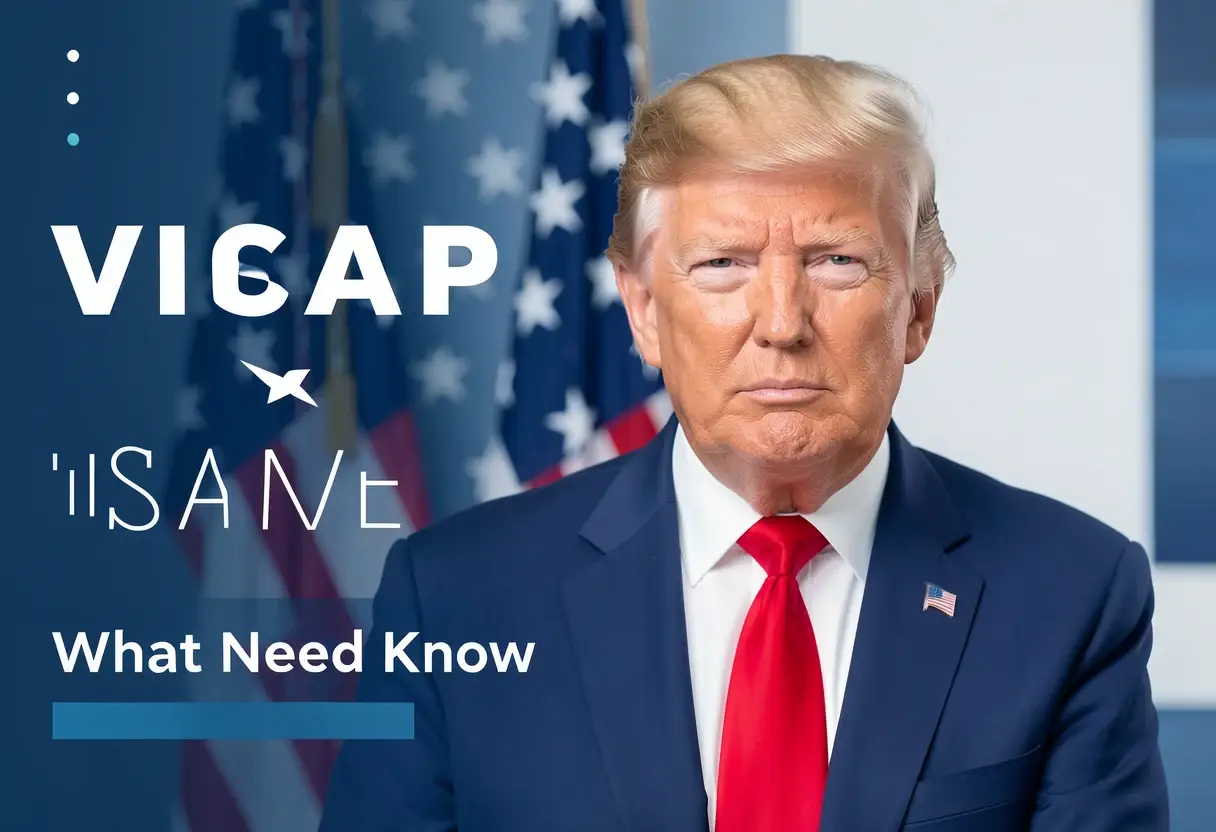
Trump's $100,000 H-1B Fee: What Changes for Sponsors
President Trump's new $100,000 fee on H-1B visas redraws the cost math for U.S. employers. The American Immigration Council's brief sets out what sponsors and practitioners must verify next.
- Programme
- Work & Skills
- Filed
- Reading
- 2 min
Entry details
- Trump announced a $100,000 fee on H-1B visa petitions
- The American Immigration Council published a practitioner brief titled 'Trump's $100,000 Fee for H-1B Visas: What You Need to Know'
- The fee sits on top of existing H-1B filing costs
- Employers, not foreign workers, bear the new $100,000 charge
- Sponsors must wait for the Federal Register text to confirm scope and exemptions
President Donald Trump's new $100,000 fee on H-1B visas landed this week, redrawing the cost math for U.S. employers. The American Immigration Council flagged the figure in a practitioner brief. Sponsors now face a six-figure barrier on each petition they file.
What does the ruling actually change?
The fee applies to the H-1B programme, the main work-visa route for specialty occupation workers. The $100,000 charge sits on top of existing filing costs. Practitioners should read the Council brief before quoting any figure to clients.
The brief, titled "Trump's $100,000 Fee for H-1B Visas: What You Need to Know," carries the Council's imprimatur. It signals the group's reading of the order's scope. Sponsors must wait for the Federal Register text before locking in pricing.
Who pays the new charge?
Employers, not foreign workers, foot the bill. The H-1B programme already requires U.S. sponsorship. Adding $100,000 per case shifts the calculus for staffing decisions. Small and mid-sized sponsors may pause new filings.
Tech contractors and outsourcing firms carry the heaviest exposure. These employers historically file the most H-1B petitions. A six-figure surcharge hits their margins hardest.
Which steps change for employers today?
Sponsors should pull every active H-1B case file this week. They need to map which petitions fall under the new fee. Companies must also brief finance teams on the new cost line.
- Verify the exact payment trigger with counsel.
- Identify any pending petitions caught by the rule.
- Update client memoranda with the $100,000 figure.
- Flag renewal-versus-new-petition distinctions.
The Council's brief anchors the first wave of practitioner guidance. Treat it as a starting point, not a final word.
What stays unclear?
The effective date, scope, and exemptions need confirmation from the official text. Practitioners should not assume the fee applies to every H-1B category. Cap-exempt employers, such as higher education institutions, may face different rules.
The Council brief does not resolve every implementation question. Federal Register publication will. Until then, treat client advice as provisional.
How should practitioners advise clients today?
Tell clients to hold non-urgent new filings pending the official text. Existing cap-subject petitions need a case-by-case review. Renewals may fall outside the new fee if the order targets initial approvals only.
Lawyers should also track litigation risk. Large fee hikes on employment visas draw court challenges. The Council will likely publish updates as the rule takes shape.
Takeaway: The $100,000 H-1B fee is now on the record, but sponsors should wait for the Federal Register before adjusting client strategy.
via GN New Visa Programmes (Source)
More from Priya Raman
Show full bio
Market editor covering people, launches and day-to-day practice in Immigration and mobility policy worldwide at Passport File.
379 articles